
Get Involved
California’s coast is protected because people show up. Public comments stop bad leases. Calls and emails move Congress. Local governments pass resolutions that set the tone statewide. Your voice — individually and as a community — helps keep offshore drilling out of our waters. Here’s how you can take action.
-
Public participation is essential to protecting California’s coast, and the current Federal Register comment period offers a critical opportunity for both individuals and organizations to weigh in. The Bureau of Ocean Energy Management (BOEM) is accepting public comments on its proposed 2027–2032 Outer Continental Shelf (OCS) Oil and Gas Leasing Program through January 23, 2026. You may type out your comments or upload attachments, and we have provided links and starter language here.
In this comment period, BOEM is also soliciting nominations for environmentally sensitive areas that the public believes should be excluded from future offshore leasing, including clear and already legally binding protections that apply to much of California’s coast such as the permanent preclusion of offshore oil and gas leasing, seabed disturbances, and seafloor pipelines in National Marine Sanctuaries or the protective exclusion of areas within the impact range of state Marine Protected Areas or UNESCO-designated International Biosphere Reserves.
Community members, environmental groups, tribes, fishing organizations, local businesses, and civic leaders are invited to submit comments urging BOEM to preserve existing protections and exclude sensitive coastal ecosystems from consideration. Your voice matters — public comments have stopped offshore drilling proposals before, and strong participation now will help protect coastal economies, marine life, cultural resources, and the health of our communities.
-
Cities, counties, and community organizations can play a key role in shaping California’s response.
Local agencies are encouraged to adopt resolutions, submit joint comment letters, and coordinate outreach with partner jurisdictions.
To collaborate or be listed as a partner, contact:
Santa Cruz County Third District Office
701 Ocean Street, Room 500
Santa Cruz, CA 95060
Phone: (831) 454-2200
Email: Third.District@santacruzcountyca.gov
Website: Third District Offices -
Our allies need to hear from you! Be sure to mention the 11th National OCS Program and the importance of protecting California’s marine sanctuaries.
Find Your Representatives
Use the links to look up your U.S. Senators and Member of Congress. These tools allow you to enter your home address and quickly identify your elected federal representatives.
After clicking the links, follow these steps:
Enter your home address to view your congressional district and representatives.
Select each official’s name to visit their official website.
On their page, look for “Contact,” “Email,” or “Share Your Opinion” to submit a message.
Send a brief email urging them to oppose any new offshore oil and gas leases along California’s coast.
Suggested Message
“I am writing to urge you to oppose any new offshore oil and gas leasing along the California coast. Offshore drilling threatens our marine environment, coastal communities, and local economies. Please stand with California’s coastal residents and protect our shoreline from new federal OCS leases.”
Why Your Voice Matters
Congress should reject new offshore oil leases off California because:
1. Coastal economies rely on clean oceans.
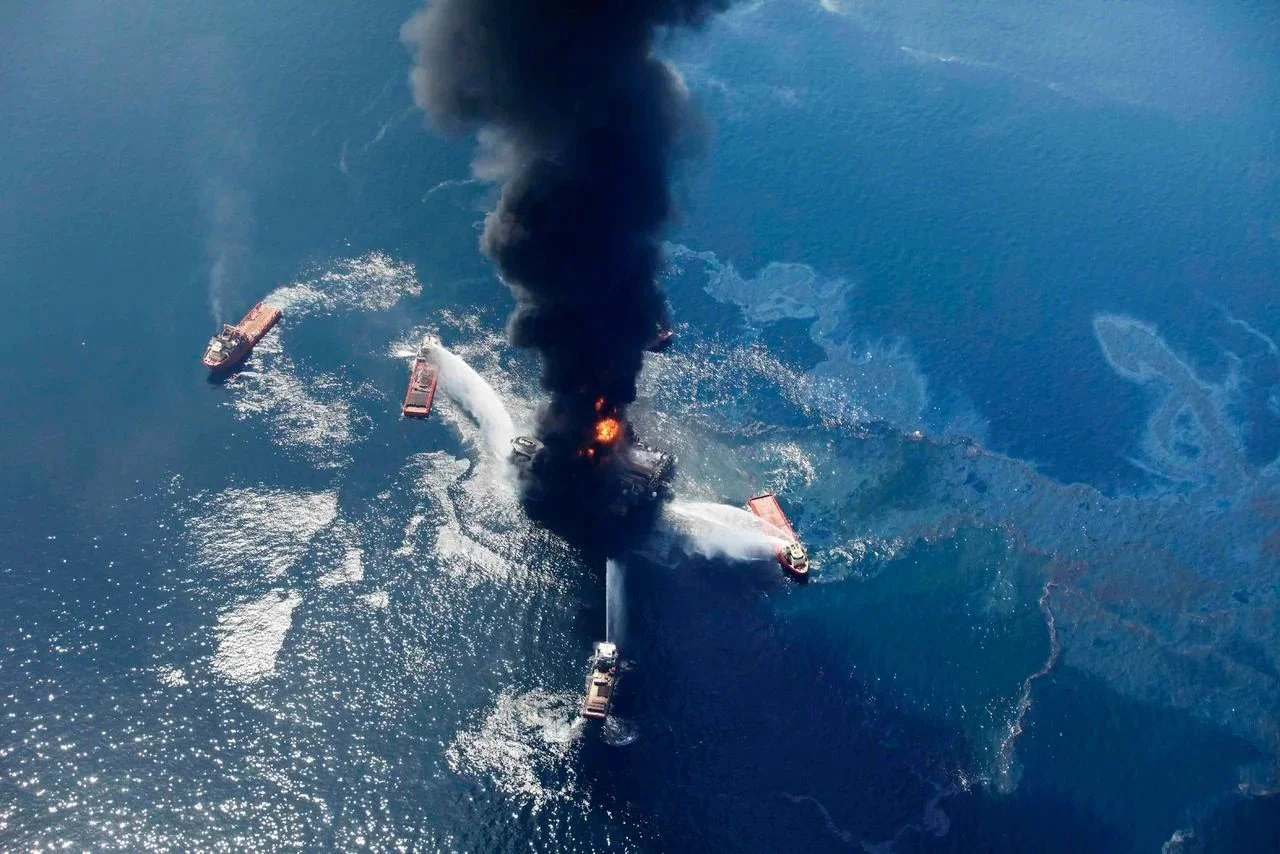
Tourism, fishing, recreation, and coastal-dependent businesses collectively generate billions for California. Even a small spill can cause long-term economic harm.2. Offshore drilling risks irreplaceable marine ecosystems.
California’s coast—home to the Monterey Bay National Marine Sanctuary and numerous protected species—cannot be adequately safeguarded against spills, leaks, and chronic pollution from drilling operations.3. Climate and energy policy is shifting away from fossil fuels.
New offshore leases lock in decades of fossil fuel infrastructure at a time when California and the nation are moving toward renewable energy, making drilling both risky and unnecessary.